

Insurance Education
|
What's the difference between a Licensed Claims Advocate and a Disaster Chaser?
Licensed Claims Advocates vs Disaster Chasers: How to Protect Your Home After a Storm
After a storm, two types of operators may knock on your door. One protects your rights. The other exploits your vulnerability. Includes real Australian statistics, regulator guidance and independent complaint data so you can make informed decisions after a storm.
Introduction
After a disaster, homeowners are often approached by people offering to help with their insurance claim. But not everyone who shows up has your best interests at heart.
This guide explains the critical difference between Licensed Claims Advocates — regulated professionals who fight for your entitlements — and Disaster Chasers, unlicensed operators who exploit vulnerable homeowners for cash. With billions of dollars in storm damage claims processed each year and insurance complaints surging by 50% (AFCA, 2023), knowing the difference could save you thousands and protect your home.
When disaster strikes, homeowners are left feeling vulnerable, overwhelmed, and unsure who to trust. The scale of recent events makes this more urgent than ever.
In the 2023–24 catastrophe season alone, Australian insurers recorded around 156,800 claims from one cyclone and three major storm and flood events, with insured losses of approximately $2.19 billion and an average claim size of roughly $14,000 (Insurance Council of Australia, 2024). The previous 2022–23 season still saw catastrophe insured losses of around $1.6 billion, mainly from repeated flood and severe storm events in NSW, Victoria and Tasmania (Insurance Council of Australia, 2023).
In the chaos that follows these events, two very different types of operators appear. The first is a Licensed Claims Advocate — a regulated professional ready to safeguard your rights. The second is a Disaster Chaser — an opportunistic operator who exploits confusion and often disappears once paid. One protects you. The other targets you.
A Step-by-Step Guide:
What is a Disaster Chaser?
What is a Licensed Claims Advocate?
Why Insurers Don't Always Get It Right
How to Protect Yourself
Your Rights and Where to Get Help
Homeowner reviewing insurance documents with professional advocate
What is a Disaster Chaser?
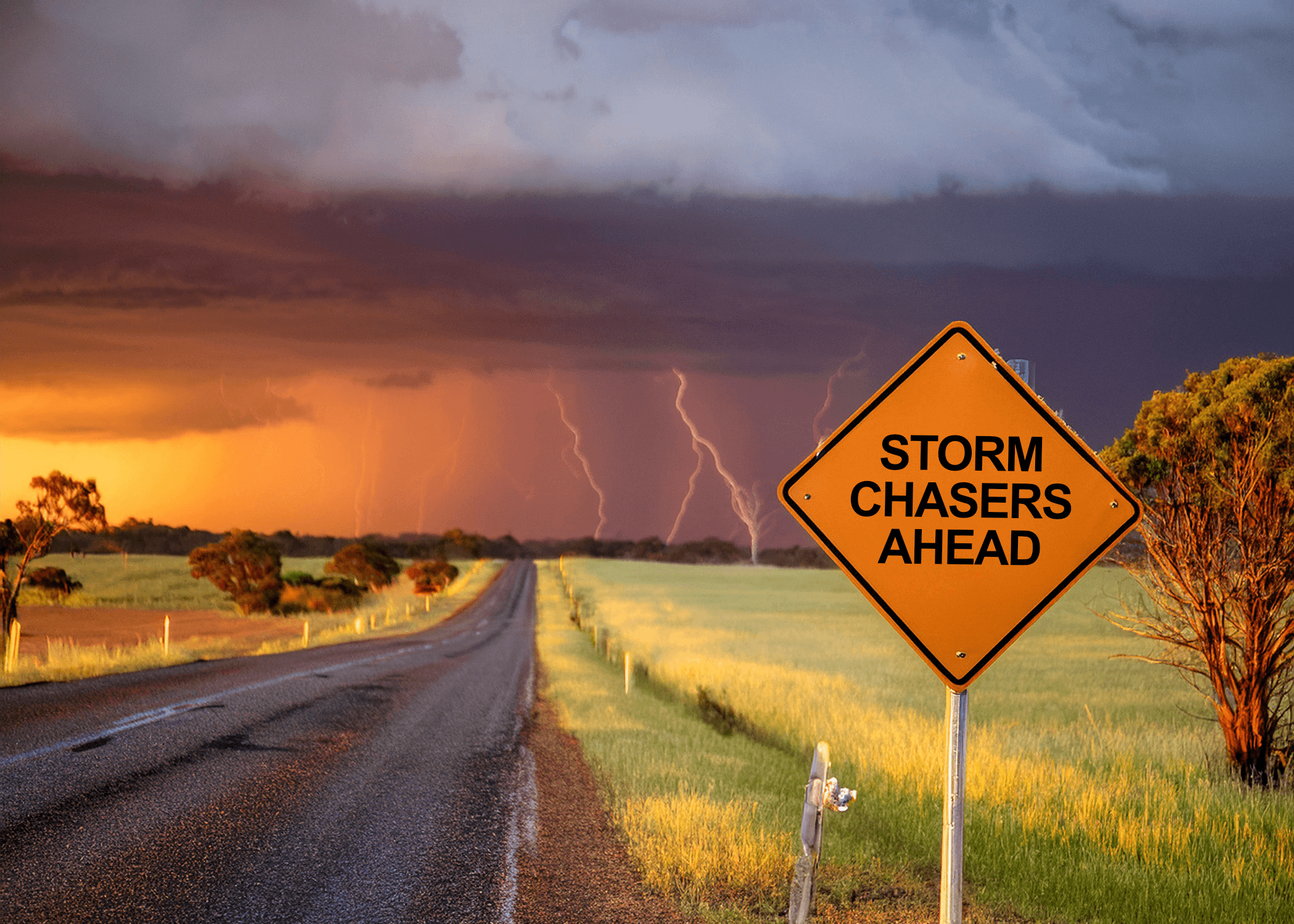
Warning signs of disaster chaser at door
A Disaster Chaser is an unqualified, opportunistic operator who targets homeowners immediately after storms, fires, floods, or hail events. They are not claims advocates, and they do not act in your best interests.
Key warning signs of a Disaster Chaser:
• Unlicensed and unqualified — no industry credentials, no ASIC licence, no professional insurance
• Active in disaster zones — they specifically target homeowners at their most vulnerable moments
• High-pressure tactics — pushing urgency, demanding signatures on the spot, requesting cash upfront
• Unregulated and untraceable — no warranties, no written contracts, no accountability
• Risky and harmful — often inflate damage reports, provide illegal advice, or disappear once paid
The legal reality: Anyone giving paid advice or handling your insurance claim without being covered by an Australian Financial Services Licence (AFSL) may be breaking Australian financial services law, and can face serious civil and criminal penalties (ASIC, 2024). On top of that, the Australian Consumer Law prohibits misleading, deceptive and unconscionable conduct (Competition and Consumer Act 2010, Schedule 2) — exactly the kind of high-pressure, door-knocking tactics disaster chasers often use in storm-hit streets.
So how do you find someone who actually has your back?
What is a Licensed Claims Advocate?

What Is a Licensed Claims Advocate?
Licensed claims advocate reviewing property damage with homeowner
A Licensed Claims Advocate holds an Australian Financial Services Licence (AFSL) issued by ASIC. They are insured, regulated professionals who represent the homeowner's best interests — not the insurer's.
What sets them apart legally:
A genuine Licensed Claims Advocate is regulated by the Australian Securities and Investments Commission (ASIC), which requires them to meet strict standards around training, conflicts of interest, dispute resolution, and the obligation to act 'efficiently, honestly and fairly' ( Corporations Act 2001, s Section 912A). AFSL-regulated advocates must also belong to an external dispute resolution scheme such as the Australian Financial Complaints Authority (AFCA), giving homeowners an independent path to escalate complaints if something goes wrong (ASIC, 2024).
What a Licensed Claims Advocate does for you:
• Legally authorised — proper licences, insurances, and registrations verified by ASIC
• Trained and qualified — expert knowledge in policy interpretation, damage assessment, and building standards
• Engaged by you — they work for you, providing independent representation throughout your claim
• Transparent and accountable — written agreements, clear fees, and cooling-off rights
• Focused on fair outcomes — ensuring repairs are appropriate, safe, compliant, and that you receive your full entitlements
Put simply: a Licensed Claims Advocate is your professional ally. They protect your property, your claim, and the accuracy of your financial outcome.
But here's where things get complicated.
Why Insurers Don't Always Get It Right
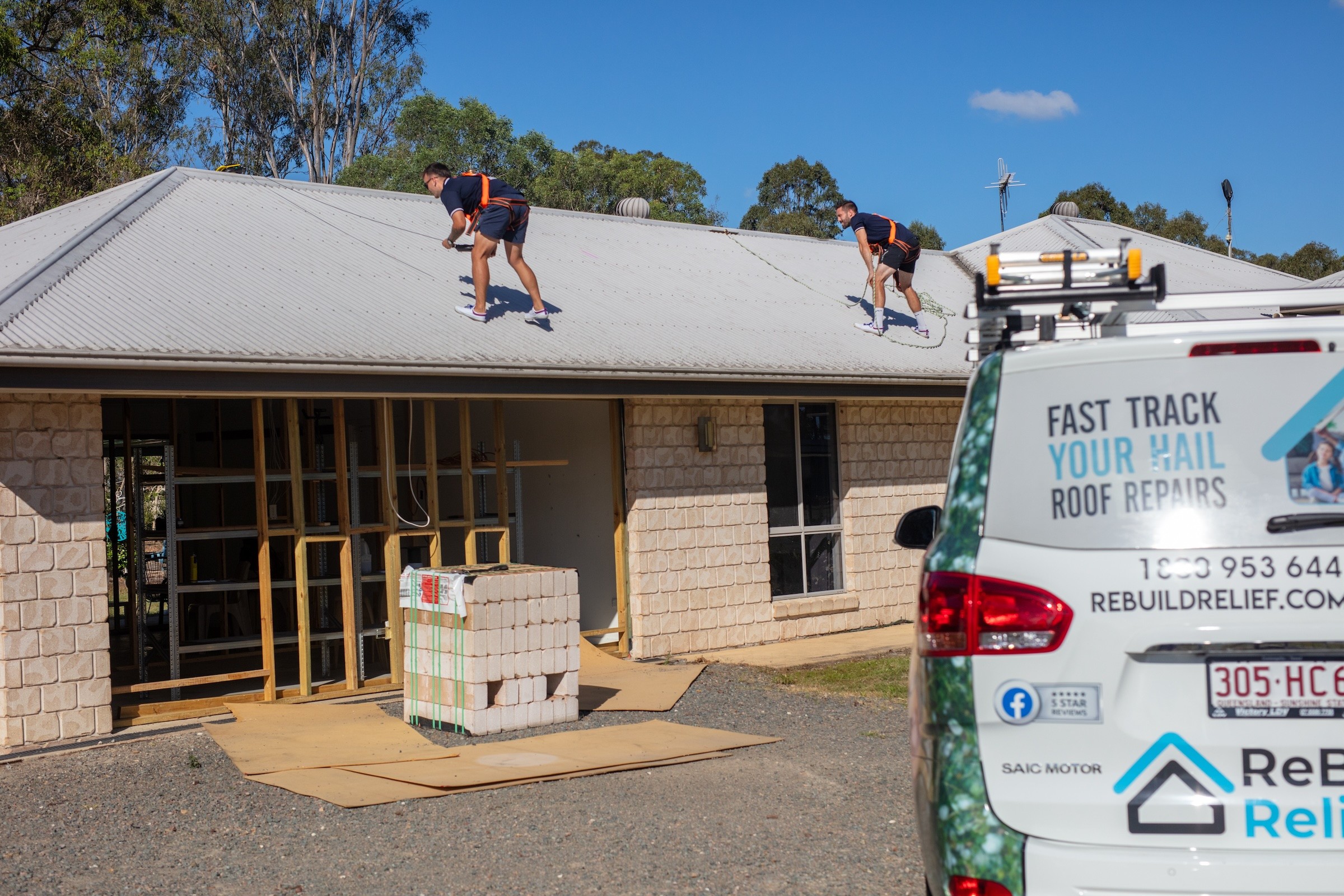
Homeowner confused by insurance paperwork
In recent years, insurers and industry bodies like the Insurance Council of Australia (ICA) have released warnings about Disaster Chasers. Protecting consumers from bad operators is essential — but these warnings often lack clear distinctions and fail to acknowledge Licensed Claims Advocates at all.
The bigger issue: Even when dealing directly with your insurer, you may not receive the payout you're entitled to.
The numbers tell the story. The Australian Financial Complaints Authority (AFCA) handled almost 97,000 complaints in 2022–23, with general insurance complaints jumping 50% to 27,924 in a single year (AFCA, 2023). AFCA also reported a 76% surge in complaints about delays in insurance claim handling (AFCA, 2023) — showing just how many Australians are struggling to get fair and timely outcomes after disasters.
Common reasons claims fall short:
• Incomplete damage assessments — assessors may miss hidden damage or underestimate repair scope
• Outdated pricing — repair cost estimates based on old data that doesn't reflect current labour and material costs
• Insufficient evidence — without proper documentation, legitimate damage may be disputed or denied
• Policy misinterpretation — complex policy language can lead to entitlements being overlooked
• Processing delays — with complaint volumes surging, many homeowners wait months for resolution
A Licensed Claims Advocate ensures your damage is accurately assessed, properly documented, and that your policy entitlements are honoured. They know how to navigate disputes and negotiate fair outcomes — something most homeowners aren't equipped to do alone.
So how can you protect yourself?
How to Protect Yourself
Warning signs of disaster chaser at door
To safeguard your claim and avoid falling into the wrong hands, follow these essential steps:
✓ Verify licences and company registrations
Before you sign anything, look up the person or company on the ASIC Professional Registers to confirm they are properly licensed to provide financial services (ASIC, 2024). Legitimate professionals will have no issue providing their AFSL number for verification.
✓ Request written agreements
Never proceed without a clear, written contract that outlines fees, services, and your cooling-off rights. If someone won't put it in writing, walk away.
✓ Avoid upfront cash payments
Disaster Chasers often demand cash before any work begins. Licensed advocates work on transparent fee structures with proper invoicing.
✓ Know your consumer rights
The Australian Consumer Law protects you from misleading, deceptive and unconscionable conduct (Competition and Consumer Act 2010, Schedule 2). High-pressure tactics and false promises aren't just unethical — they may be illegal.
✓ Maintain control over who you engage
You have the right to choose your own builder, assessor, and advocate. Don't let anyone take that choice away from you.
When uncertain, speak to your insurer or a Licensed Claims Advocate directly. Ask questions. Verify credentials. Trust your instincts.
If things go wrong, you have options.
Your Rights and Where to Get Help
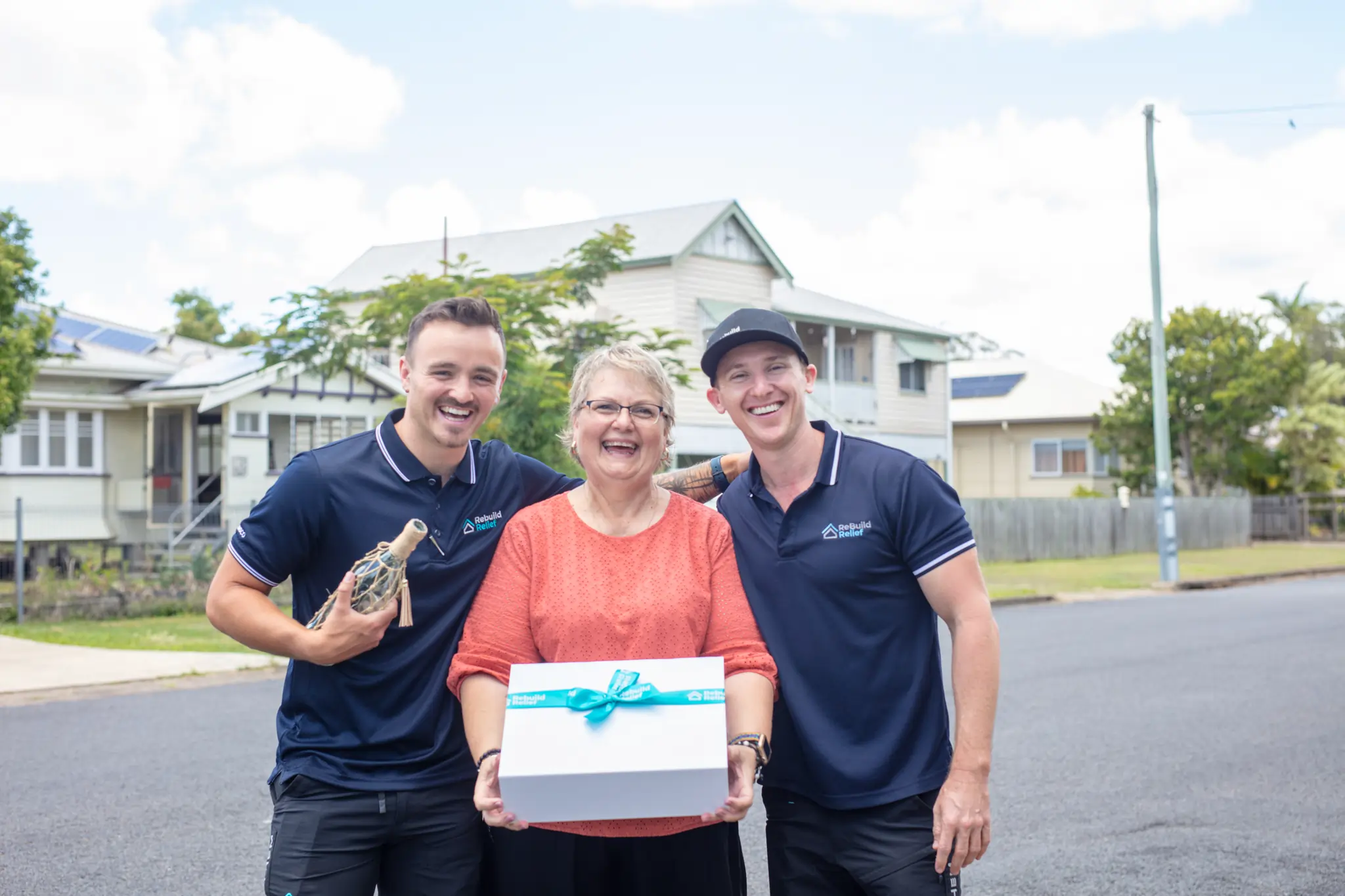
AFCA dispute resolution pathway
After recent floods and storms that generated hundreds of thousands of claims and billions in insured losses (Insurance Council of Australia, 2024), regulators have warned that unlicensed operators often target disaster zones. Meanwhile, properly licensed claims advocates are bound by ASIC rules and AFCA oversight to put your interests first.
Your key resources:
ASIC Professional Registers
Search for any individual or company claiming to be licensed. If they're not on the register, they're not authorised to provide claims advocacy services (ASIC, 2024).
Insurance Council of Australia (ICA)
Check the ICA's catastrophe pages and Data Hub for up-to-date information on declared events and claim progress in your region (Insurance Council of Australia, 2024).
Visit: insurancecouncil.com.au
Australian Financial Complaints Authority (AFCA)
If you feel your insurer has underpaid or unfairly delayed your claim, you can escalate a complaint to AFCA, which resolved tens of thousands of insurance disputes in 2022–23 alone (AFCA, 2023). This service is free for consumers.
Remember: AFSL-regulated advocates must belong to AFCA, giving you an independent complaints pathway if something goes wrong with their service too (ASIC, 2024).
AFCA are here to protect you
How to Protect Yourself
The distinction is simple: Disaster Chasers are a serious problem. Licensed Claims Advocates are the solution.
Disaster Chasers exploit vulnerable homeowners for quick cash. They're unlicensed, unaccountable, and potentially breaking Australian financial services law (ASIC, 2024). When things go wrong, they vanish.
Licensed Claims Advocates are ASIC-regulated professionals bound by strict standards. They must act honestly and fairly (Corporations Act 2001, s 912A), carry proper insurance, and belong to external dispute resolution schemes like AFCA. They fight for your rights and help you receive the full entitlements you're owed.
With insurance complaints up 50% (AFCA, 2023) and billions of dollars in storm damage claims each year (Insurance Council of Australia, 2024), the stakes have never been higher. After a storm, you deserve someone in your corner who works for you — not against you.
Rebuild Relief is a licensed, trusted claims advocacy service operating across Queensland and New South Wales. We hold an Australian Financial Services Licence, carry full professional insurance, are members of AFCA, and are committed to protecting homeowners' rights. We work for you — not the insurer.
Reference List
Australian Financial Complaints Authority (AFCA) 2023, Annual Review 2022–23, AFCA, Melbourne, viewed 15 January 2025.
Australian Securities and Investments Commission (ASIC) 2024, Australian Financial Services Licensing, ASIC, Sydney, viewed 15 January 2025.
Competition and Consumer Act 2010 (Cth), Schedule 2 – Australian Consumer Law, Federal Register of Legislation, viewed 15 January 2025.
Corporations Act 2001 (Cth), Section 912A – General obligations, Federal Register of Legislation, viewed 15 January 2025,.
Insurance Council of Australia 2023, ICA DataGlobe: Catastrophe Data 2022–23, ICA, Sydney, viewed 15 January 2025.
Insurance Council of Australia 2024, ICA DataGlobe: Catastrophe Data 2023–24, ICA, Sydney, viewed 15 January 2025.
Recent Hail Storm Blog Posts
Keeping you informed about the most recent dangerous hail storms.
Recent Hail Storm Blog Posts
Keeping you informed about the most recent dangerous hail storms.
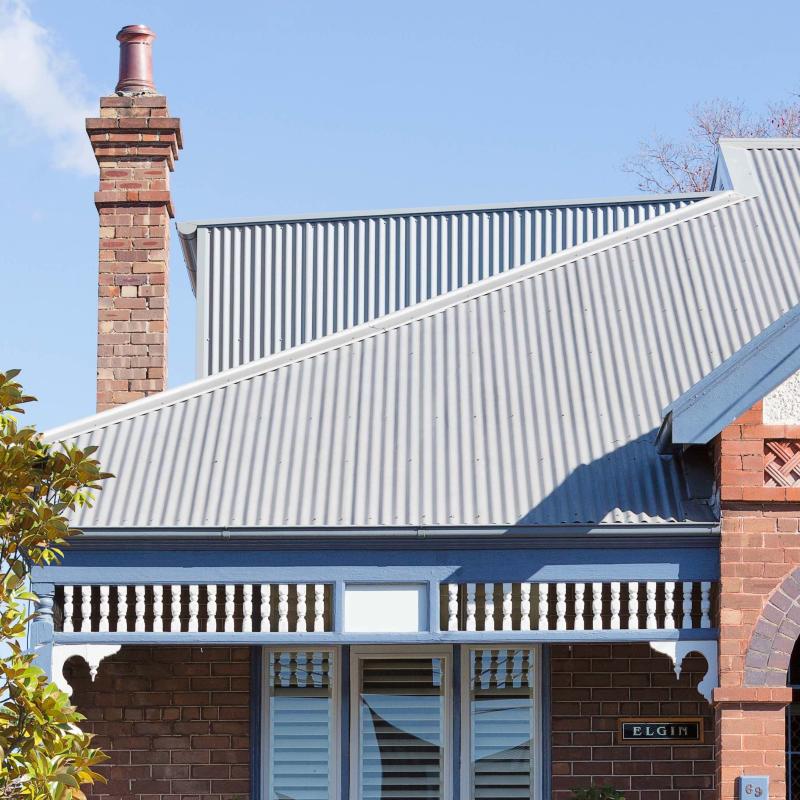
Colorbond Selection:
Surfmist®

Colorbond Selection:
Ironstone®